Mechanical & Chassis
Classic car restoration & coachbuilding atelier
A coachbuilding and restoration atelier working exclusively on privately-owned collector cars — full body-off restorations, mechanical & chassis rebuilds, and concours-show preparation, documented at the level a numbers-matching, 100-point judging sheet actually demands.
Real concours judging scores a car across four equally-weighted categories and deducts points for specific, named flaws — not a vague overall impression. Toggle the flaws below to see exactly how a real judging sheet arrives at its final number.
Running score
100 / 100
Toggle any real deduction reason to see it come off the score, category by category.
Structure: adapted from the AACA (Antique Automobile Club of America) National Judging Guidelines, which score every vehicle across four real, equally-weighted columns — Exterior, Interior, Chassis, Engine — each worth 100 of a 400-point national total; compressed here to 25 points per category on a single 100-point sheet. Deduction values: either a specific named AACA rule (proportionally scaled where noted) or the real CCCA (Classic Car Club of America) per-item condition scale — Very Good -1, Good -2, Fair -3, Poor -4, Unsatisfactory -5.
A numbers-matching car commands a real, often substantial premium over an otherwise identical non-matching example — because it is provably the same specific car the factory built, not a plausible period-correct assembly. Select a component to see exactly what is checked and what a match actually proves.
A casting number confirms the part is compatible with the model — it does not by itself prove originality. A cast-in casting DATE is the date the part was poured, not when the finished car was assembled; on a genuinely numbers-matching car the casting date should precede the vehicle's build date, typically by weeks, not years. The separate hand-stamped serial/date code, cross-checked against factory production records, is what actually ties one specific engine to one specific chassis.
The chassis/VIN is the reference point every other "matching" claim is measured against — engine, transmission, and body-tag numbers are said to "match" precisely because they can be cross-referenced back to this one identifying number in factory build records.
Because transmissions are swapped more often than engines during a car's working life (wear, gearing preference, an owner chasing reliability), a matching transmission is often rarer — and therefore weighted heavily — in a full numbers-matching assessment.
The body tag is what lets a restoration shop tell a customer, with real documentation rather than a guess, "your car was factory-ordered in this exact color with this exact interior" — the same tag that also lets a judge confirm the paint on the car today is the correct original color, not merely a plausible period one.
A cast-in casting number confirms a part is compatible with the model, not automatically that it is original — a genuine casting DATE (when the part was poured) should precede the vehicle's build date by weeks, not years. There is no single universal cross-marque numeric decoding formula, so none is invented here; the real, general concept and its real components are explained as such.
Restoration timelines are honestly wide ranges, not a single confident number — pick a restoration type and a rough starting condition to see a real stage-by-stage estimate, not false precision.
Estimated total
10.1–20.5 months
The car is fully disassembled, every part tagged and photographed in place, and a written condition report documents rust, prior repairs, missing parts, and anything discovered that was not visible before teardown — the single biggest source of schedule surprises on any restoration.
Panels are stripped to bare metal (media blasting for structural and underbody sections, chemical stripping where preserving original sheet-metal thickness matters most), rot is cut out, and replacement metal is fabricated or correct reproduction panels are welded in — the widest-swinging stage, since the true extent of rust and prior poor repairs is only fully known once the car is bare.
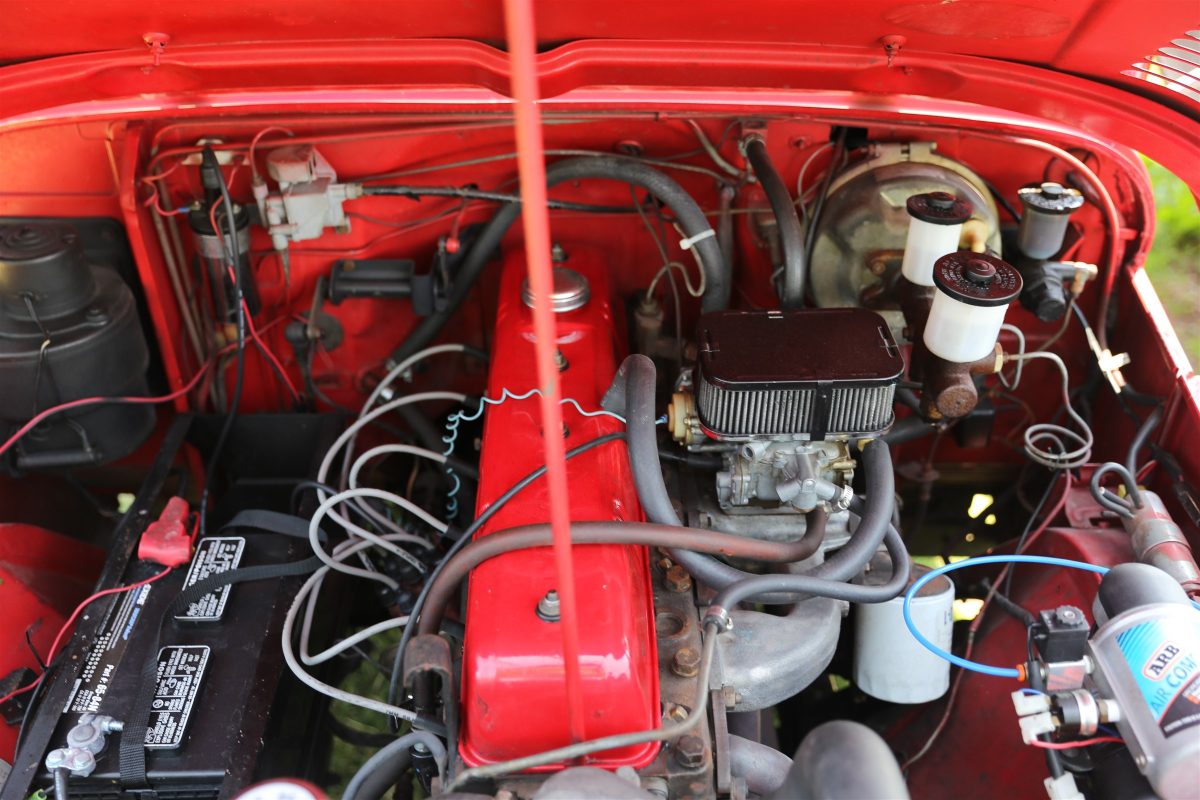
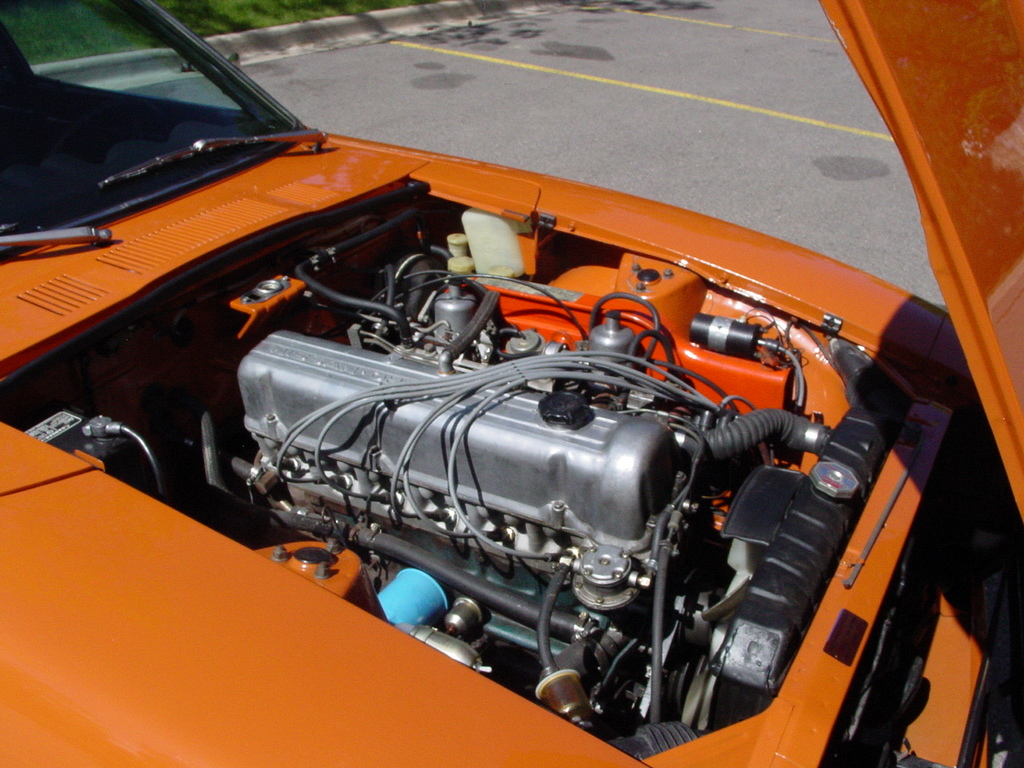
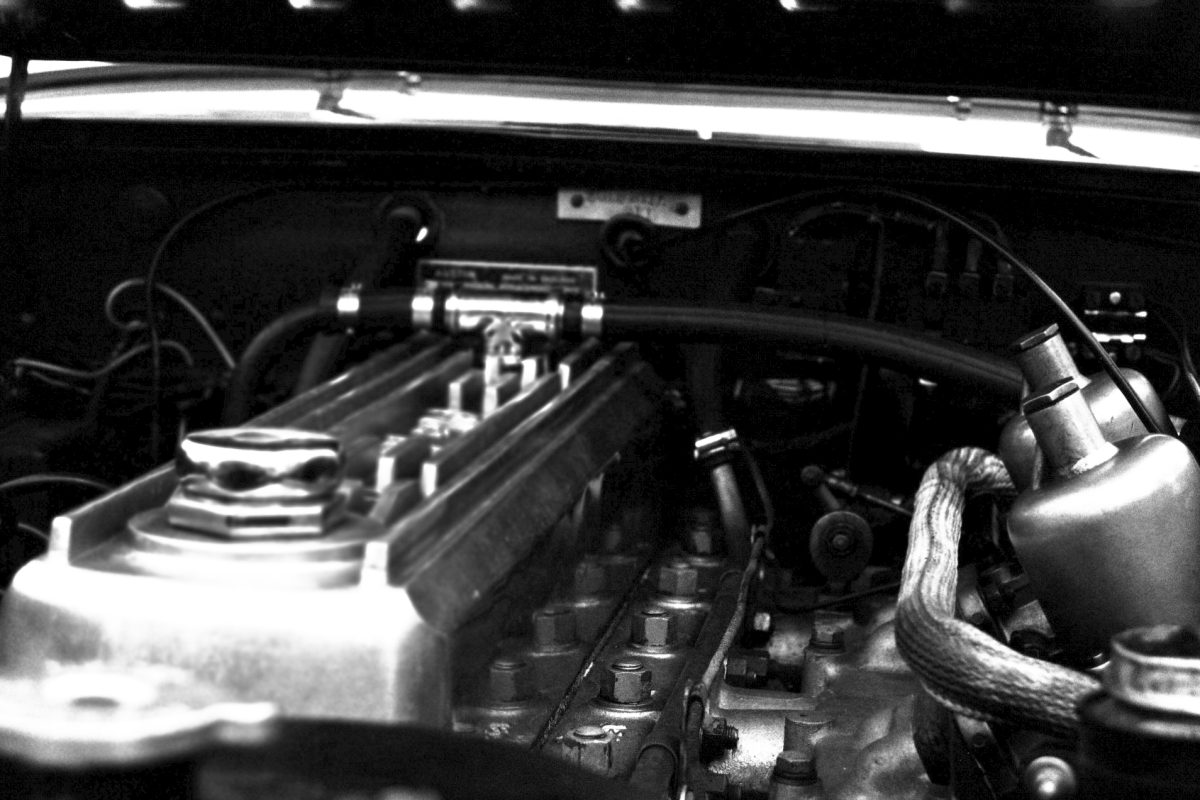
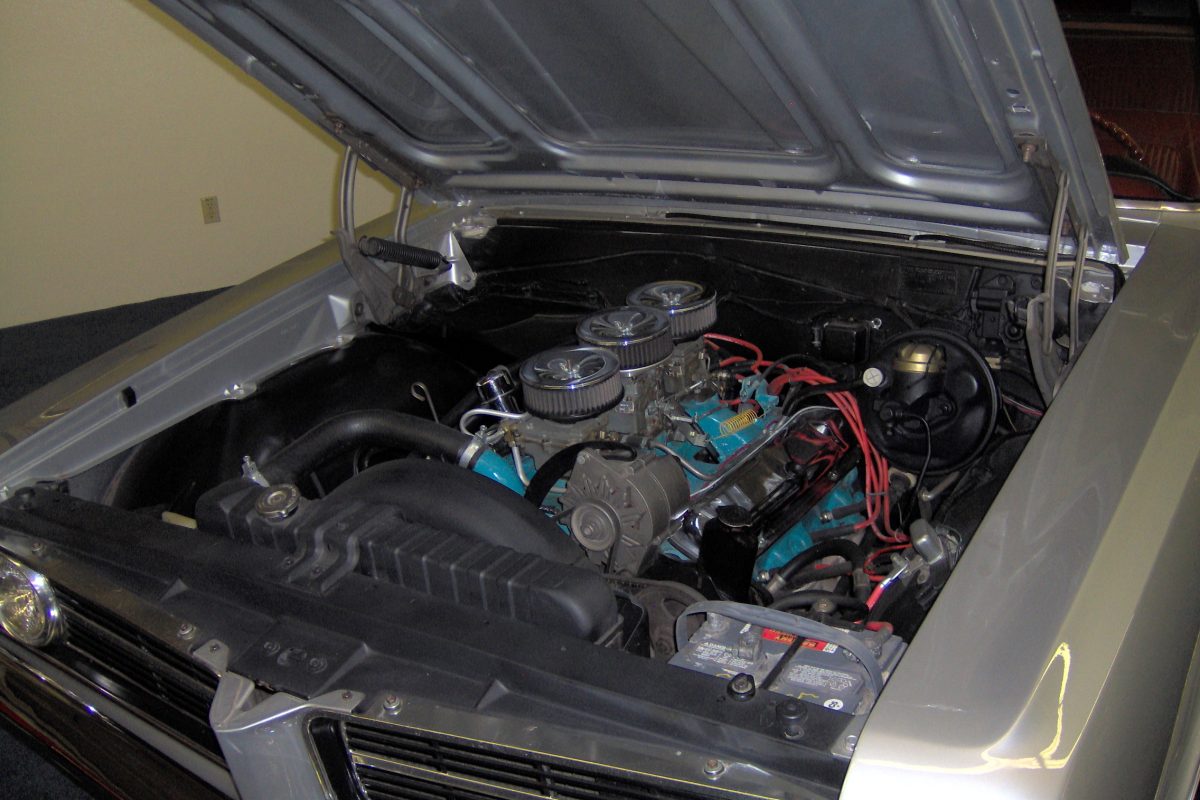
Engine, transmission, suspension, brakes, and fuel/cooling systems are rebuilt or overhauled — sourcing correct-date-code parts and, where a numbers-matching outcome matters to the client, keeping the original numbered components rather than substituting a service-replacement unit.
Panels are block-sanded straight — commonly 40 to 100 hours of hand work on a full body before a single coat of color goes down — then primed, color-matched or corrected to the factory-documented code, and finished to a show-quality gloss.
Upholstery, carpet, headliner, and trim are rebuilt to factory-correct patterns and materials — often the stage where genuine NOS (new old stock) trim hardware is sourced, since reproduction quality varies far more here than in sheet metal.
The car is reassembled from the tagged, photographed teardown, every system commissioned and sorted, and the finished car is shaken down on real miles — chasing the small leaks, rattles, and adjustments that only surface once everything is back together and running.
Overall tiers per Hagerty's published restoration guidance: a cosmetic/detail restoration commonly runs 6-12 months; a driver-quality full restoration commonly runs 12-24 months; a true concours-level restoration commonly requires 4,000-5,000 labor hours and 3-5 years. Block-sanding a body straight before paint alone commonly takes 40-100 hours. The stage-by-stage split is this tool's own reasonable allocation calibrated to those real tiers, shown as a range rather than false precision.
A car that is merely clean and a car that is prepared to the standard a real judging sheet demands are not the same thing. We prepare already-restored cars specifically for judged concours entry — closing exactly the gaps a 100-point sheet actually deducts for.
Concours prep pageFor 32 years we've restored privately-owned collector cars for the people who actually own them — never as dealer inventory, never flipped. Every project is documented from teardown photograph to final shakedown mile, because the owner, not a future buyer, is the one who has to be satisfied with the result.
“They found casting-date documentation on my block I didn't know existed and built the whole numbers-matching case a national judge could actually verify.”
“The build sheet they handed back at delivery reads like an actual judging form — every panel gap, every plating call, already thought through.”
“First Junior award on the first outing. The prep work closed gaps I wouldn't have known to look for.”
“Honest about the timeline from day one — long, but every delay was a real parts-sourcing reason, not a shop excuse.”
Tell us about the car and what you're after — a full body-off restoration, mechanical & chassis work, concours prep for a car you already own, or an appraisal — and we'll follow up within two business days.